101 migrants rescued from danger in Mediterranean Sea
 Collected Image
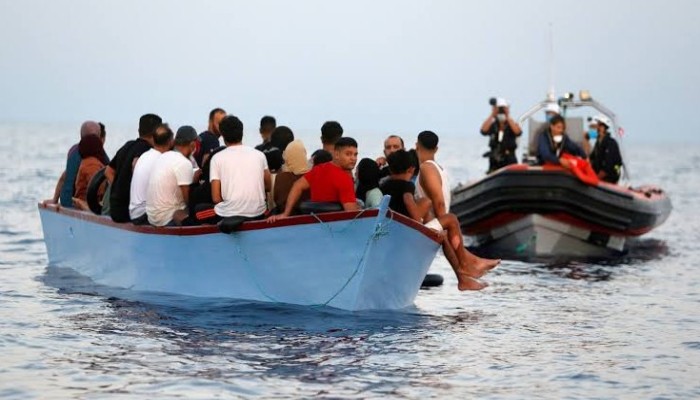
A humanitarian rescue ship has rescued 101 migrants from two distressed boats in the central Mediterranean Sea, including children and five pregnant women, after they spent two days at sea without food or water.
The rescues were carried out by the Ocean Viking, operated by humanitarian organisation SOS Mediterranee, in two separate operations from Tuesday night to Wednesday morning.
The first operation took place in the Libyan search-and-rescue zone following an alert from the NGO Alarm Phone. The boat was carrying 60 people, including 27 men, 21 women and 12 children. Five of the women were pregnant, while four of the children were aged between one and four, the organisation said.
The second rescue was conducted in Malta's search-and-rescue zone after another boat, carrying 41 people, was reported in distress. The group included 18 men, seven women and 16 unaccompanied minors.
SOS Mediterranee said several rescued migrants had suffered fuel burns caused by contact between petrol and seawater. A pregnant woman was transferred to the Italian island of Lampedusa for medical treatment, accompanied by her husband.
The Ocean Viking was instructed to sail to the Italian port of Naples to disembark the rescued migrants. The organisation expressed concern that the lengthy journey could worsen their fragile health, particularly that of the pregnant women.
Humanitarian organisations have criticised Italy's restrictions on rescue vessels, saying requirements to travel to designated ports can keep ships away from rescue zones for extended periods and limit their ability to respond to other boats in distress.
The central Mediterranean remains a major migration route to Europe, with thousands of people attempting the dangerous crossing from Libya, Tunisia and other North African countries in often overcrowded and unseaworthy boats.
According to the International Organization for Migration, 1,647 migrants died or went missing in the Mediterranean while attempting to reach European shores during the first six months of 2026, up from 1,035 during the same period in 2025.

 Collected Image